
The Best Fluffy Pancakes recipe you will fall in love with. Full of tips and tricks to help you make the best pancakes.
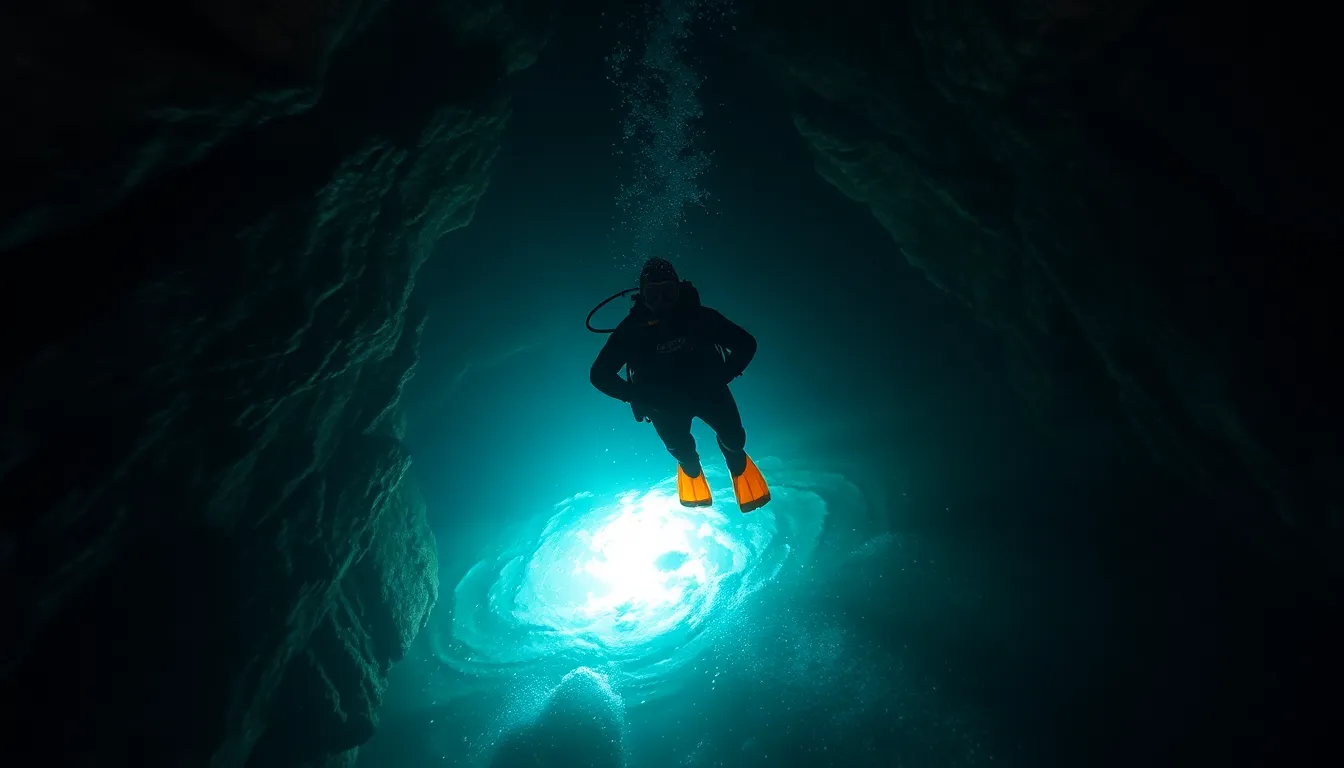
Why Anglehozary Cave Diving Is Dangerous: The Shocking Truth You Need to Know
Diving into the depths of Anglehozary Cave might sound like an adventurous thrill, but it’s not all underwater selfies and mermaid sightings. Beneath the surface lies a world of unpredictable dangers that can turn a dream dive into a nightmare faster than you can say “where’s my buddy?” From sudden drops to murky waters, this cave has a reputation that even the bravest divers should respect.
Overview of Anglehozary Cave Diving
Anglehozary Cave diving poses significant risks that even the most skilled divers must address. This underwater environment contains narrow passages, unpredictable currents, and limited visibility. Sudden drops occur frequently, making proper planning essential for safety.
Murky waters obscure crucial navigation points, leading to disorientation. Divers might struggle to find their way back after exploring seemingly safe areas. Without adequate temperature control, divers can experience hypothermia, impacting their ability to think and react.
Supporting equipment maintenance is critical, as malfunctioning gear can drastically increase danger levels. Potential encounters with aquatic life, including venomous species, heighten the risk factor. Divers should maintain awareness of their surroundings due to the unpredictable nature of cave ecosystems.
Strict adherence to dive protocols reduces hazards significantly. Buddy systems play a vital role in ensuring divers can assist each other during emergencies. Training in cave diving techniques provides necessary skills to navigate safely.
Preparation involves understanding the cave’s layout through maps and prior exploration. Continuous monitoring of air supply helps divers avoid critical situations. Careful consideration must also be given to the psychological aspects of cave diving, as fear and stress can impair judgment.
Anglehozary Cave offers a unique underwater experience, yet the associated dangers necessitate respect and caution. Proper preparation, continual learning, and vigilance become paramount for those willing to explore its depths safely.
Common Dangers in Cave Diving
Diving in Anglehozary Cave includes various risks that diver encounters. Understanding these dangers enhances safety during exploration.
Water Conditions
Water conditions in Anglehozary Cave can change quickly. Sudden currents may appear, pushing divers off-course. Divers face challenges from variable temperatures, which contribute to hypothermia if not managed correctly. Unexpected surges can create dangerous scenarios, requiring quick adaptations. Recognizing these factors helps prepare divers for potential emergencies.
Limited Visibility
Limited visibility is another critical concern. Murky waters often obscure the cave’s features. This reduction in visibility makes it easy to become disoriented. Divers can lose their sense of direction, complicating safe navigation. Clear communication and reliable dive equipment give divers an edge in overcoming visibility issues.
Loose Rock and Debris
Loose rock and debris present a constant hazard. Unstable formations can shift or collapse without warning. This situation increases the risk of injury to divers exploring narrow passages. Attention to surroundings helps avoid sudden encounters with falling rocks. Assessing the stability of cave structures before entering can mitigate dangers effectively.
Psychological Factors
Diving in Anglehozary Cave involves significant psychological challenges that can impact safety. These challenges include stress, panic, and the pressure of decision-making.
Stress and Panic
Stress can quickly escalate in high-pressure environments like cave diving. Divers experience disorientation when faced with murky waters and narrow passages. Panic often follows, which may lead to irrational actions. Losing control of breathing increases the risk of hypoxia, further complicating the situation. Maintaining calm and focus during dives is essential for navigating the unpredictable caverns. Techniques such as deep-breathing exercises can help manage stress levels effectively.
Decision-Making Under Pressure
Making sound decisions under pressure proves vital during cave dives. Diver’s judgment may become compromised during unexpected events, such as turbulent currents or equipment failures. Clarity of thought is crucial for assessing risks accurately. Quick, decisive reactions often determine the difference between safety and danger. Training in emergency protocols prepares divers to respond effectively when faced with critical situations. Consistent practice builds confidence, allowing divers to make better decisions under stress.
Technical Challenges
Anglehozary Cave diving presents significant technical challenges that can jeopardize safety. Navigating its complex passages requires skill and experience.
Navigation Difficulties
Limited visibility due to murky waters complicates navigation. Disorientation may occur when divers struggle to find familiar landmarks. Understanding the cave’s layout becomes critical for safe exploration. Divers often rely on pre-planned routes and position markers to avoid getting lost. Sudden drops and narrow passages increase the risk of becoming trapped or losing orientation. Experts recommend practicing navigation techniques regularly to boost confidence and skill in challenging conditions.
Equipment Malfunction
Diving equipment reliability plays a vital role in safety. Malfunctions can lead to dangerous situations underwater. Divers must consistently perform thorough equipment checks before each dive. Proper maintenance of gear ensures functionality, especially in critical moments. Faulty regulators or tanks can result in air supply issues, heightening risks. Essentially, divers should bring backup equipment whenever possible to mitigate potential failures. Knowledge of emergency procedures becomes necessary if equipment malfunctions occur during the dive.
Anglehozary Cave diving presents a thrilling yet treacherous adventure. The unpredictable nature of the cave’s environment can quickly turn a dive into a life-threatening situation. Divers must remain vigilant and prepared to face the inherent risks associated with narrow passages and murky waters.
Safety relies heavily on proper training and equipment maintenance. Understanding the cave’s layout and adhering to established protocols can significantly reduce dangers. The psychological aspects of diving shouldn’t be overlooked either, as managing stress and fear is crucial for sound decision-making underwater.
Ultimately, respect for the cave’s challenges and a commitment to continuous learning are vital for anyone considering this unique diving experience.