
The Best Fluffy Pancakes recipe you will fall in love with. Full of tips and tricks to help you make the best pancakes.
Gardening in a Greenhouse: Your Ultimate Guide to Thriving Plants
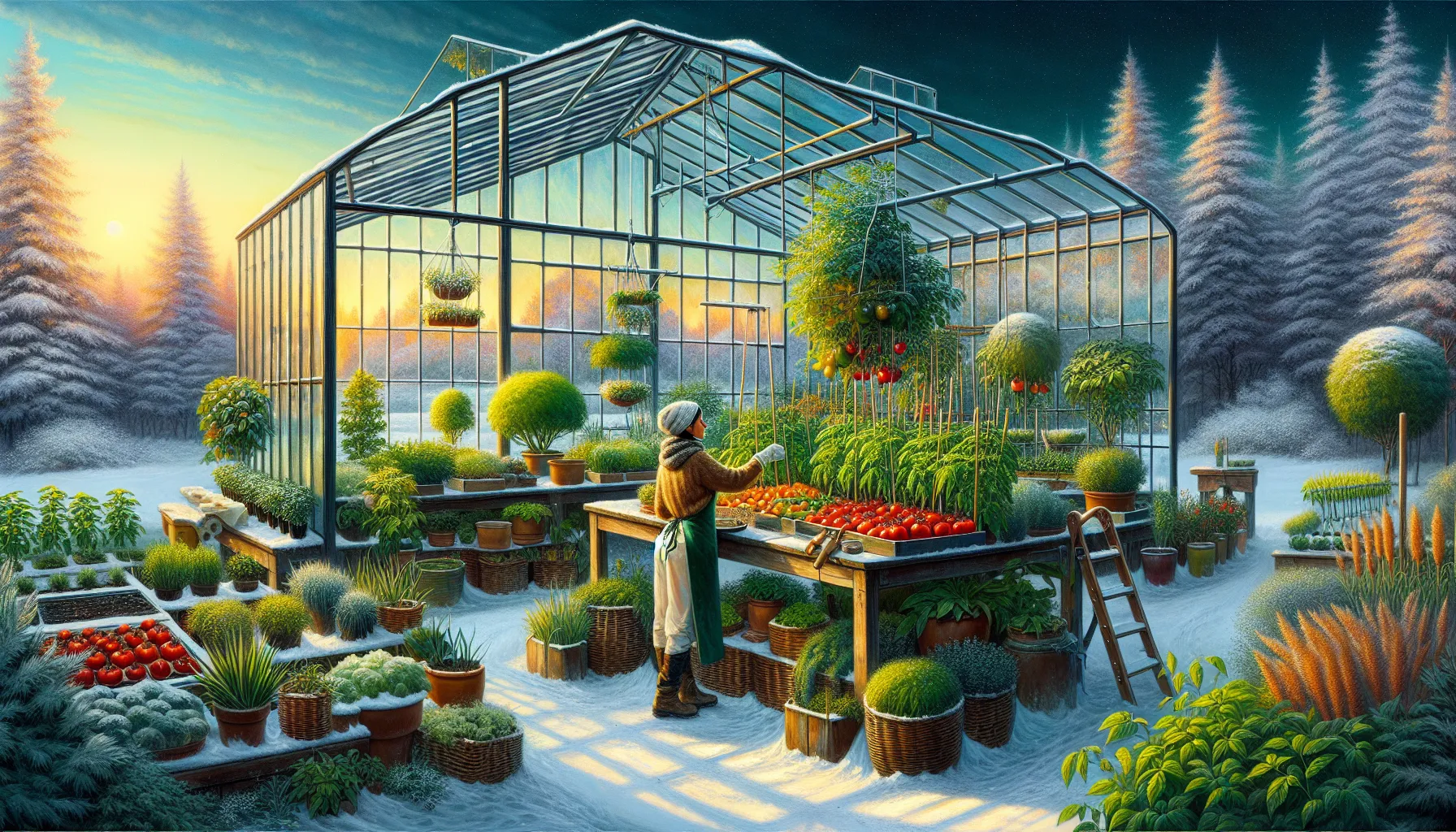
Have you ever dreamed of growing fresh tomatoes in December? Picture this: you, in cozy sweats, happily tending to your thriving plants while the snowflakes fall outside. That’s the beauty of gardening in a greenhouse. Join us as we explore how greenhouse gardening can transform our green thumbs, fuel our passion for plants, and give us delicious produce year-round. Spoiler alert: it’s easier than you think and a lot more fun.
Gardening in a Greenhouse
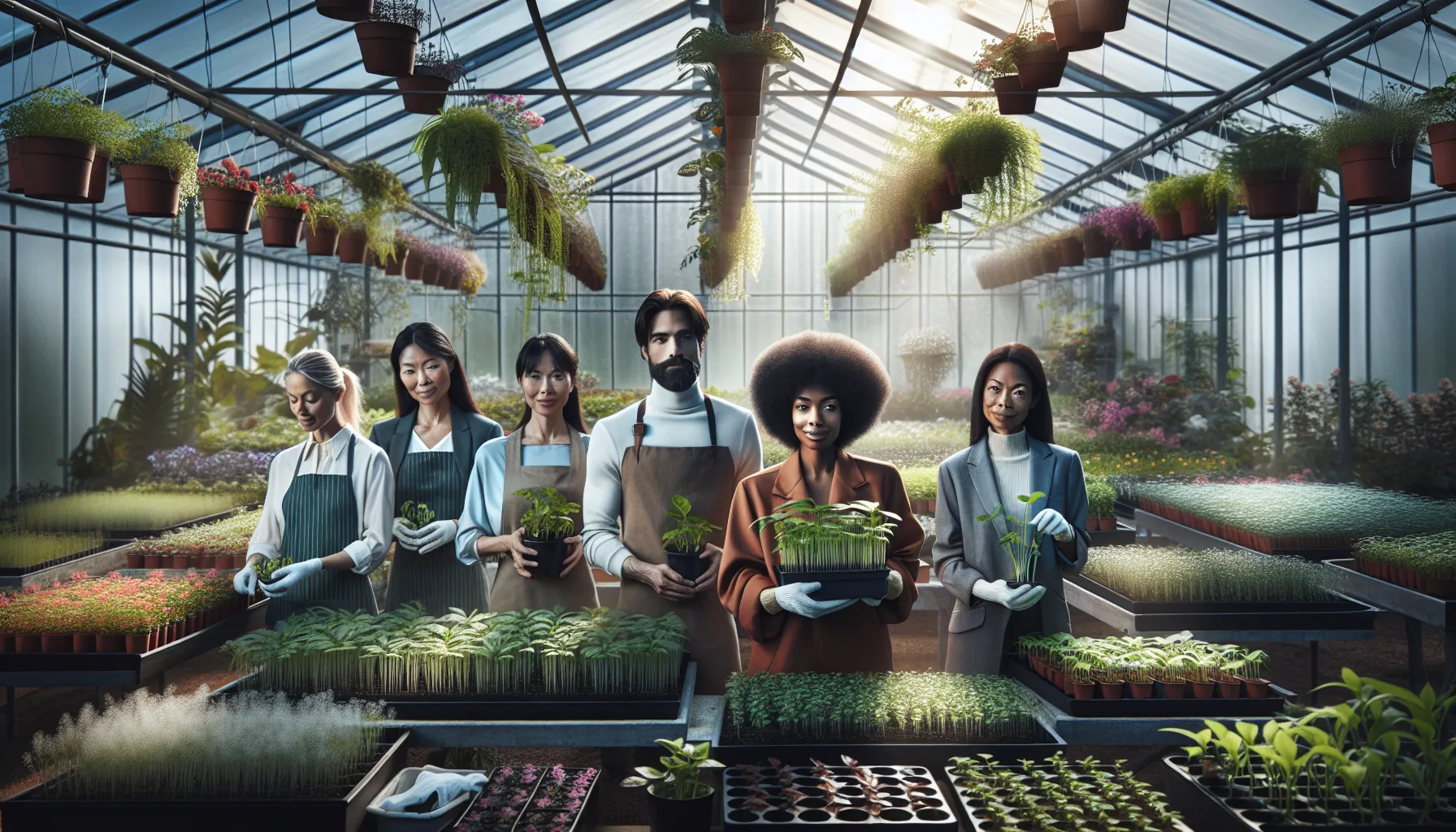
Greenhouse gardening offers a treasure trove of benefits that cater not only to our plants but also to our gardening souls. First and foremost, it provides protection from harsh weather. We can control temperature and humidity levels, ensuring our fragile seedlings remain cozy and viable even in the depths of winter. Likewise, weeds and pests pose less of a threat, allowing us to grow healthier plants with less effort.
Beyond just survival, there’s potential for extended growing seasons. Imagine starting your seeds earlier in the spring and enjoying harvests well into the fall. Also, greenhouse gardening opens up possibilities for growing exotic plants that wouldn’t normally thrive in our local climate. We can fling open the doors to a whole new world of gardening and diversify our gardens in ways we never thought possible.
Types Of Greenhouses
Diving into the world of greenhouses, we find an array of options tailored to fit our gardening styles and budgets. First up is the traditional glass greenhouse, an elegant structure that not only looks great in our backyards but also provides excellent light transmission. But, these can be on the pricier side.
Next, we have polycarbonate greenhouses. Durable and efficient, they offer great insulation and are often easier to manage than glass. For those who prefer something more portable, consider a hoop house. Constructed with simple materials, this option is budget-friendly and can be set up in any garden. Finally, we can’t ignore high-tunnels or high-rise greenhouses, which are especially useful for serious gardeners or small farmers aiming for maximum yields.
Essential Equipment For Greenhouse Gardening
In our quest for greenhouse success, certain tools and equipment become our best allies. First on the list is the thermostat. This device ensures we maintain optimal temperatures for plant growth, alerting us when it’s too hot or too cold.
Next up is proper ventilation. Whether through fans or vents, we need good airflow to prevent mold and ensure our plants can breathe fresh air. A quality irrigation system is also essential. Automated drippers or a simple soaker hose will save us time and provide consistent hydration for our plants.
Don’t forget about pots and trays. Having a variety on hand allows us to experiment with different seedlings. Finally, most of us can’t survive without a sturdy set of gardening tools, trowels, pruners, and gloves are must-haves.
Choosing The Right Plants For Your Greenhouse
Selecting the right plants can make or break our greenhouse experience. We should start with easy-to-grow options like herbs, basil, parsley, and mint thrive well in controlled environments. Tomatoes are another favorite: with a little attention to their needs, we can enjoy juicy fruits even in off-season months.
Don’t overlook greens. Lettuces and spinach flourish in greenhouse settings, providing fresh salads all year long. If we’re adventurous, we can branch out to more exotic choices like orchids or tropical fruits. Always consider the conditions of our greenhouse: certain plants prefer warmer temperatures and humidity levels, while others thrive in cooler settings.
Best Practices For Greenhouse Maintenance
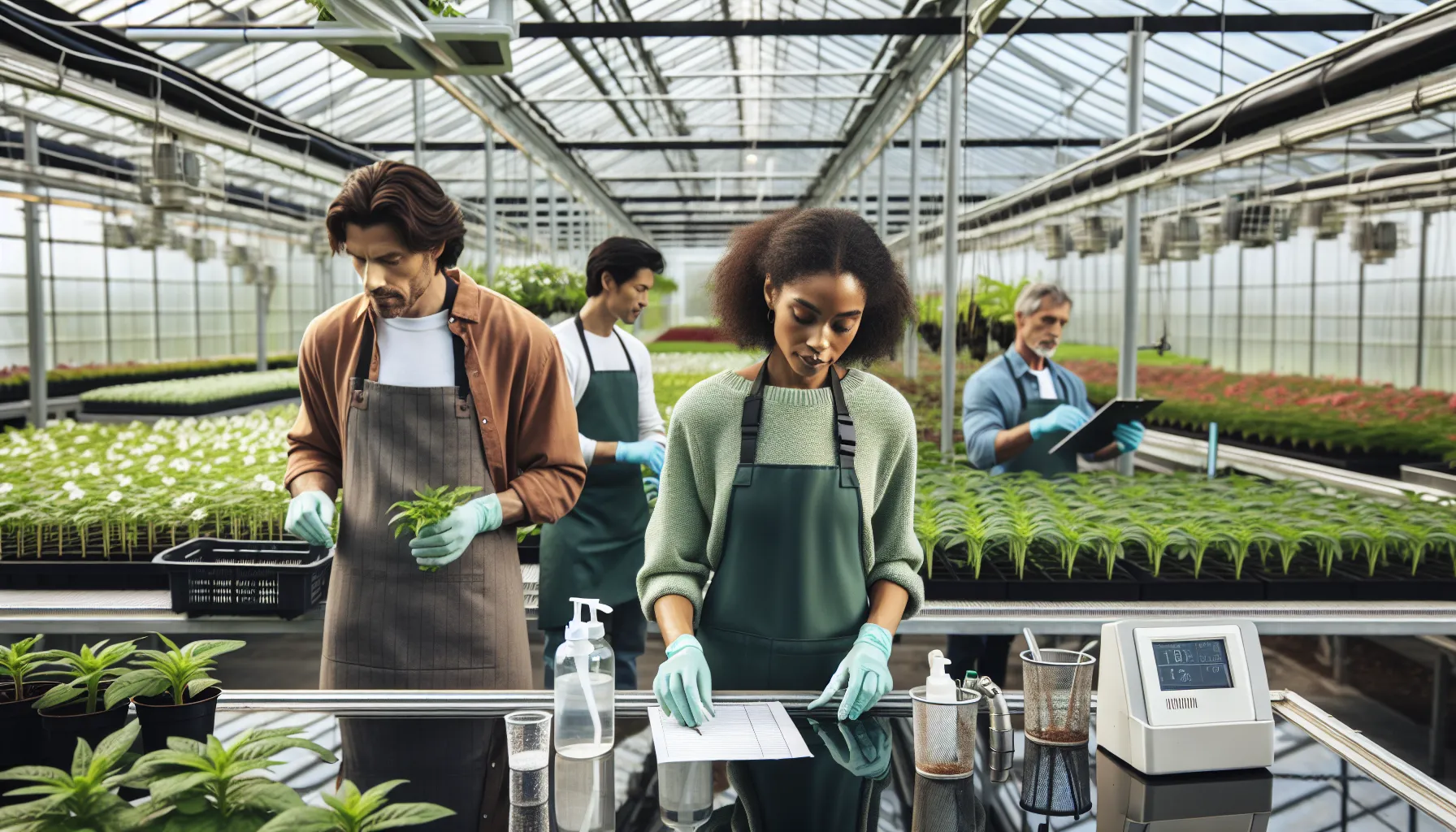
Maintaining our greenhouse is pivotal to its success. Regular cleaning is a must, keeping surfaces and tools sanitized helps avoid pests and diseases. We should also monitor our plants regularly, inspecting for any signs of distress or infestations.
Also, we should keep an eye on temperature variations, adjusting heating and cooling methods as needed. Watering practices should also be tailored to the seasons: overwatering can be just as detrimental as underwatering. Remember to apply fertilizers in moderation: balanced nutrients keep our plants healthy and productive.
Tips For Maximizing Your Greenhouse Space
Let’s get creative with our greenhouse layout. Vertical gardening is an excellent way to maximize limited space. We can use shelves or hanging planters to make optimal use of the vertical area. Companion planting is another fantastic strategy: some plants can help each other grow when placed together, reducing the need for pesticides, too.
Grouping plants with similar watering and sunlight needs will make our maintenance tasks smoother. Don’t forget to leave paths for easy access. We want to make sure that we can reach all our plants without knocking over precious seedlings. Finally, keeping track of a planting schedule will help us rotate crops and prevent soil depletion.