
The Best Fluffy Pancakes recipe you will fall in love with. Full of tips and tricks to help you make the best pancakes.
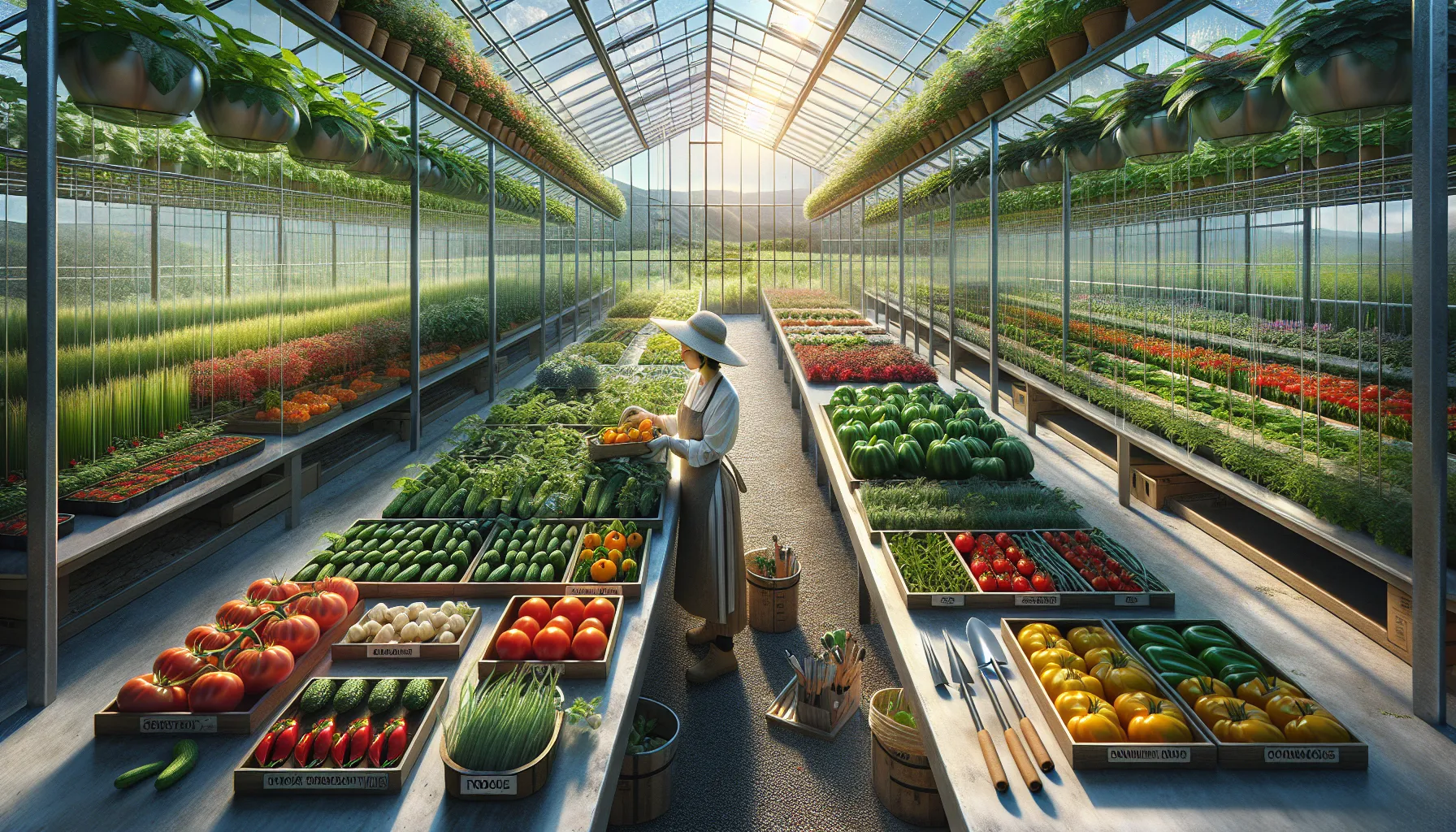
Greenhouse Vegetables: The Ultimate Guide to Growing Fresh Produce
Imagine enjoying perfectly ripe tomatoes in the dead of winter. Sounds dreamy, right? That’s the power of greenhouse vegetables. In this text, we’ll jump into the world of greenhouse gardening. We’ll explore what these vegetables are, why they’re worth growing, and how to do it effectively. And yes, we promise to throw in some laughs along the way. So, grab your gardening gloves and let’s dig into the soil of knowledge.
Greenhouse Vegetables
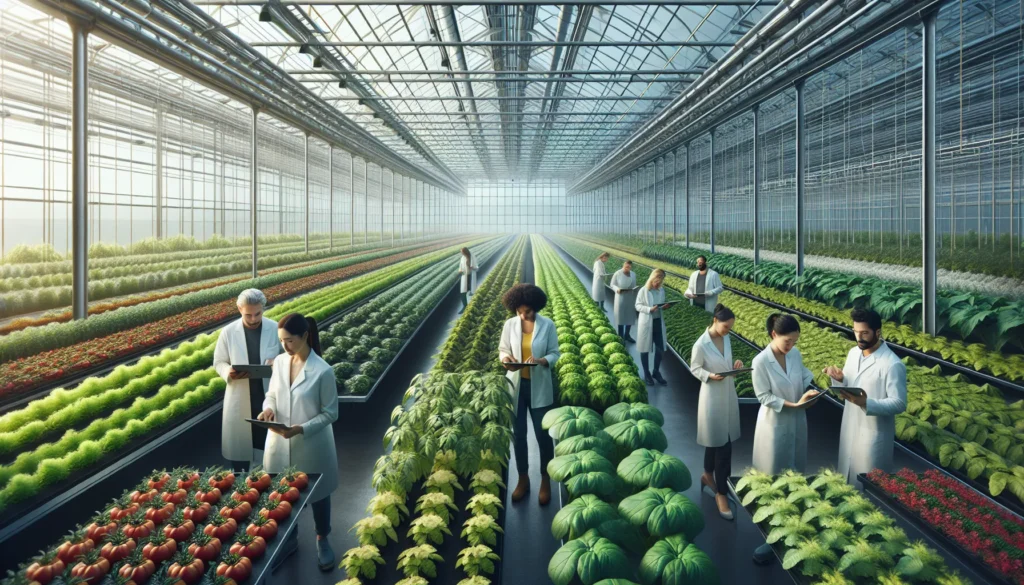
Greenhouse vegetables are simply those grown under controlled conditions within a greenhouse. Unlike traditional outdoor gardens, greenhouses provide a regulated environment. This allows us to cultivate vegetables year-round, shielding them from unpredictable weather. In essence, a greenhouse is like a cozy sunroom for our plants, keeping them warm during chilly months and cool when the heat cranks up.
You might be wondering: how do we define a vegetable in this context? Well, it’s straightforward. Any edible plant part generally considered a vegetable can thrive in our carefully controlled greenhouse space. Think leafy greens, roots, and even some fruits. Yes, we also include tomatoes and cucumbers as vegetables in this cozy setup.
Benefits of Growing Greenhouse Vegetables
Growing greenhouse vegetables comes with a bounty of benefits. First off, we get a significant extension of the growing season. No more fretting over a sudden frost: our veggies are safe and thriving.
Let’s not forget the control we gain over growing conditions. Factors like light, temperature, and humidity are easily managed. This means we can tailor the environment to suit specific vegetable needs, boosting their growth and flavor. Who doesn’t want a more flavorful vegetable?
Another key benefit is pest management. In a greenhouse, we can reduce our dependency on pesticides. With better control over the environment, we can create natural barriers against pests. Not to mention, growing our produce boosts our diet with fresher, often organic, options.
Economically, greenhouse vegetables can lead to higher yields. Because we control environmental factors, we often produce more and even save money in the long run. So really, it’s a win-win.
Popular Types of Greenhouse Vegetables
Our list of popular greenhouse vegetables typically includes:
- Tomatoes – A staple. They thrive in warm conditions.
- Cucumbers – These crispy delights love the heat.
- Peppers – With a rainbow of varieties, peppers can brighten any plate.
- Lettuce – Quick to grow, they’re perfect for salads.
- Herbs – Basil, parsley, and cilantro can add flavor to our dishes.
- Eggplants – These glossy royal purple veggies need warmth and space.
By diversifying our plant choices, we create a surprising harvest that keeps our meals exciting.
Cultivation Techniques for Greenhouse Vegetables
When it comes to cultivating greenhouse vegetables, several techniques stand out. First, we need to ensure our greenhouse is properly ventilated. This helps control humidity levels, keeping our plants healthy and happy.
Next up is soil management. Using high-quality soil mixes enriched with compost can significantly enhance our crops. Let’s not ignore watering techniques, too. We can employ drip irrigation systems for precise water application, preventing overwatering and ensuring our veggies thrive.
Another technique involves planting companion crops, where we can plant different vegetables together for mutual benefits. For example, tomatoes grow well alongside basil. This helps repel pests while improving growth.
Challenges in Growing Greenhouse Vegetables
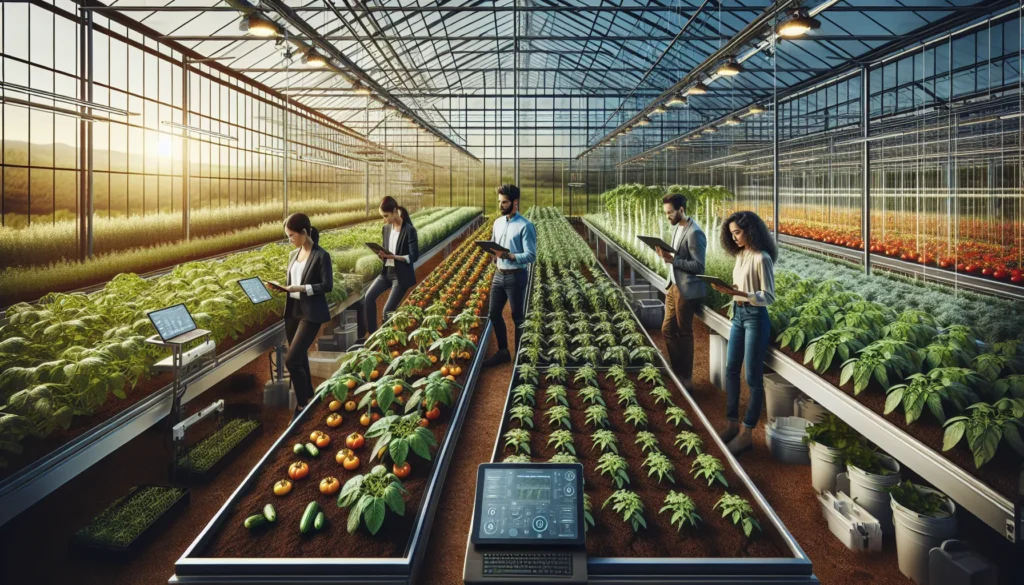
Even with so many benefits, we face challenges in greenhouse vegetable production. One of the biggest issues is the initial investment. Setting up a greenhouse requires some upfront costs, from materials to heating systems.
Then there’s the threat of diseases. While the controlled environment minimizes some risks, issues like fungal infections can still occur. Regular maintenance and monitoring are essential. Finally, we need to stay aware of energy costs. Heating our greenhouse can add to our bills, especially during colder months.
Future Trends in Greenhouse Vegetable Farming
As technology continues to evolve, so does greenhouse farming. Trends like vertical farming are gaining traction, where we stack crops to maximize space, perfect for urban areas with limited land.
Hydroponics and aquaponics systems are also on the rise. They allow us to grow vegetables without soil, using nutrient-rich water solutions. Imagine farms in the sky, quite the sci-fi dream turned reality.
Also, automation technologies are streamlining processes, making it easier to monitor conditions and even harvest crops. Greenhouse farming is entering a new era, blending tradition with innovation.