
The Best Fluffy Pancakes recipe you will fall in love with. Full of tips and tricks to help you make the best pancakes.
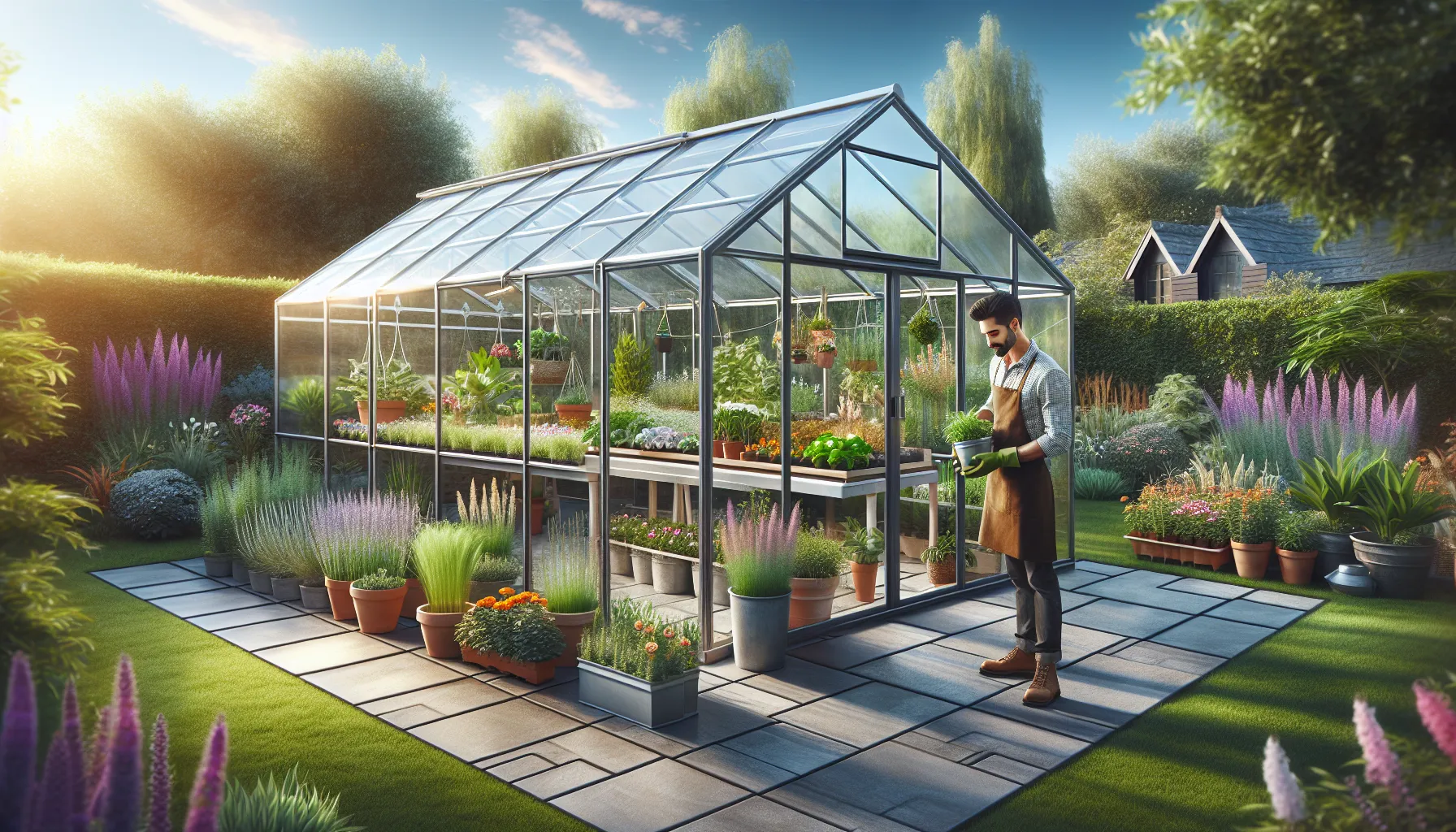
Gardening Greenhouse: Unlocking the Secrets to Thriving Plants
Have you ever thought about turning your backyard into a year-round paradise? Imagine having fresh tomatoes in December or vibrant blooms all winter long. That’s the magic of a gardening greenhouse. We all want our plants to thrive, and investing in a greenhouse can be the game-changer you didn’t know you needed. Plus, let’s be honest, there’s something oddly satisfying about nurturing your little green friends in a controlled space. Let’s dig into the many benefits and essential tips to make the most of your gardening greenhouse.
Gardening Greenhouse
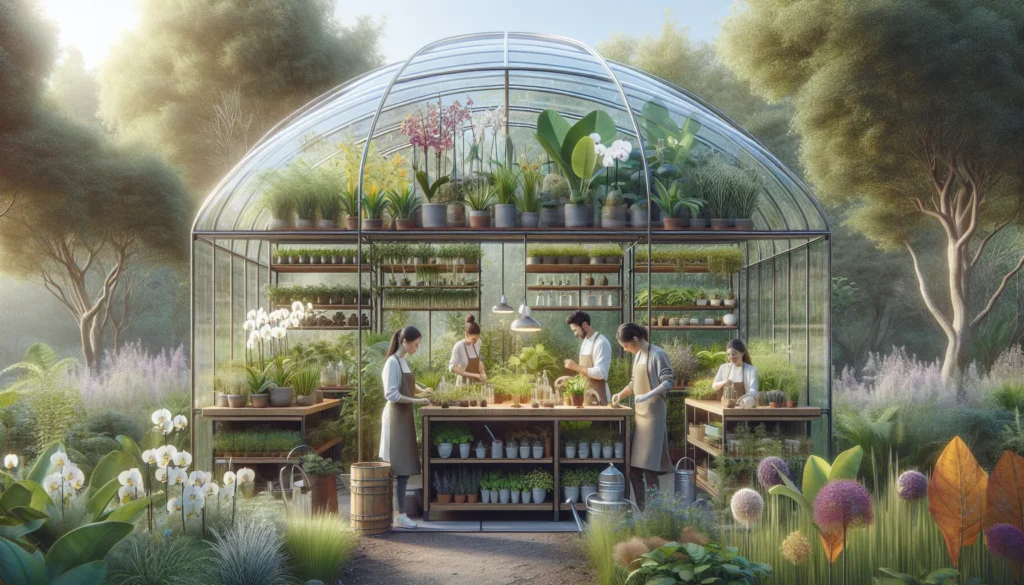
- Extended Growing Season: One of the best perks of having a greenhouse is that it allows us to expand our growing season. We can start gardening earlier in spring and continue into late fall or even winter. The temperature in a greenhouse can be regulated, creating a suitable environment for plants that normally can’t survive cooler months.
- Control Over Conditions: Whether it’s humidity, temperature, or light, we have a hand in shaping the environment in our greenhouse. This means fewer pests and diseases, as we can create conditions that are less hospitable to these troublemakers.
- Diverse Planting: A gardening greenhouse opens up a world of possibilities. We can grow exotic and tender plants that wouldn’t survive our local climate otherwise. From tropical orchids to fresh herbs, the variety is almost endless.
- Easy Maintenance: Gardening can sometimes feel overwhelming, especially when working with outdoor elements. But within the walls of our greenhouse, we’re insulated from unpredictable weather, meaning we can focus on tending to our plants without the fear of sudden storms or frost damage.
- Perfect for Seed Starting: We can start our seeds indoors without worrying about the cold or unpredictability of spring weather. A greenhouse gives us a nurturing space where seedlings can germinate and grow strong before they’re planted outside.
Types Of Greenhouses
When it comes to selecting a greenhouse, it’s important to pick one that aligns with our gardening goals. Here’s a quick breakdown of the types we can choose from:
- Lean-to Greenhouses: These attach to an existing structure (like our home or garage), making efficient use of space. They’re great for people with limited outdoor area.
- Freestanding Greenhouses: These can stand alone in our gardens and offer more space. They’re ideal if we plan to grow a large number of plants or diverse crops.
- High Tunnel Greenhouses: Also known as hoop houses, these resemble big plastic domes. They’re typically simpler to construct and can be a cost-effective option for us.
- Cold Frames: These are smaller structures that can be used for starting seeds or protecting plants from frost. Cold frames are a wonderful way to ease into greenhouse gardening without heavy investment.
Essential Components Of A Gardening Greenhouse
A greenhouse is more than just a bunch of glass and metal: it consists of several key elements that can almost be likened to the organs of a body:
- Framework: The foundation of our greenhouse often consists of aluminum, wood, or galvanized steel. A sturdy frame supports everything else.
- Glazing: This can vary from glass to polycarbonate or plastic film. The goal is to let in sunlight while protecting our plants from harsh weather.
- Ventilation System: Good airflow is crucial. We can install windows, vents, or fans to circulate air, helping prevent mold and overheating.
- Heating System: Whether it’s electric heaters, propane heaters or thermal mass, keeping our greenhouse at an optimal temperature is crucial during the colder months.
- Watering System: Drip irrigation or simple hose setups keep our plants hydrated. We might also consider a rainwater collection system for sustainable gardening.
Choosing The Right Location For Your Greenhouse
Location is everything when establishing our greenhouse. Here are a few tips to keep in mind:
- Sunlight: We want to place our greenhouse where it will receive ample sunlight for most of the day. A south-facing position is often ideal as it maximizes warmth and light exposure.
- Accessibility: Let’s make sure our greenhouse is easily accessible for daily maintenance. We’ll want to be able to reach it without any obstacles.
- Drainage: Standing water can be detrimental to our plants. Choosing a location that allows for good drainage will help keep our greenhouse thriving.
- Wind Protection: If we find ourselves in a windy area, establishing some barriers like trees or fences can shield our greenhouse and maintain temperature stability.
Preparing Your Gardening Greenhouse For Planting
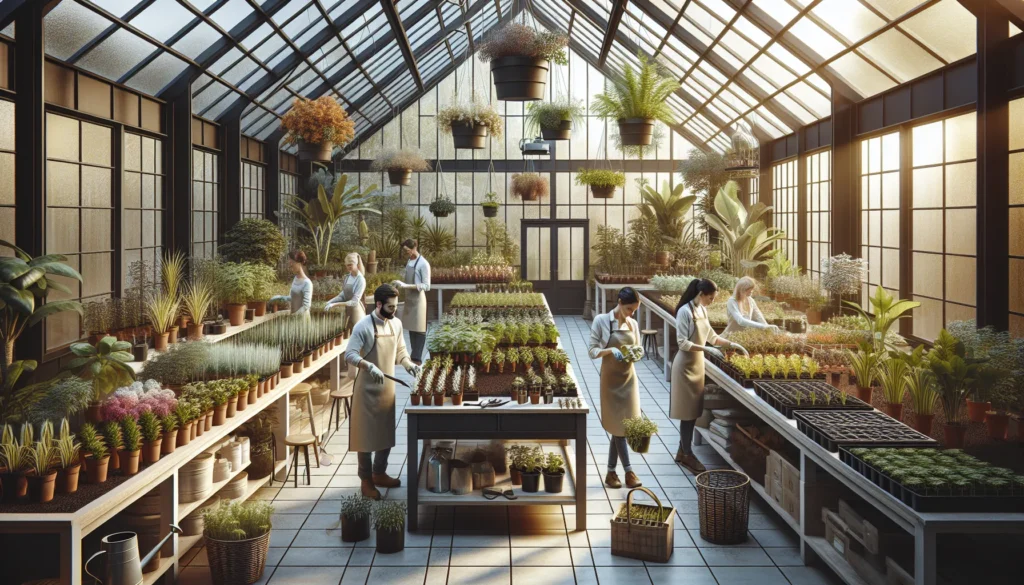
Before we burst into planting mode, we have to prepare our greenhouse properly:
- Clean Thoroughly: A clean space is a happy space. We should remove any old plants or debris, disinfect surfaces, and check for pests.
- Soil Preparation: Filling pots or benches with high-quality potting mix is essential. Amending it with organic fertilizers can also give our plants a nutritious start.
- Plant Arrangement: Planning where each type of plant will go is vital. Different plants have different sunlight and space requirements. We need to study their needs to ensure they flourish.
- Temperature Control: Test out heating and ventilation before planting to ensure we have the right conditions in place.
Maintenance Tips For A Successful Gardening Greenhouse
Keeping our greenhouse running smoothly requires a bit of effort:
- Regular Monitoring: We should check temperatures, moisture levels, and pest presence frequently. This proactive approach makes a big difference.
- Water Wisely: Overwatering can be just as harmful as underwatering. We need to keep an eye on our plants’ needs and adjust our watering schedule accordingly.
- Pest Control: Use natural remedies or organic pesticides to manage pests without harming our plants. There’s strength in prevention.
- Seasonal Adjustments: As the weather changes, so should our greenhouse practices. We may need to adjust ventilation or heating settings as seasons change.