
The Best Fluffy Pancakes recipe you will fall in love with. Full of tips and tricks to help you make the best pancakes.
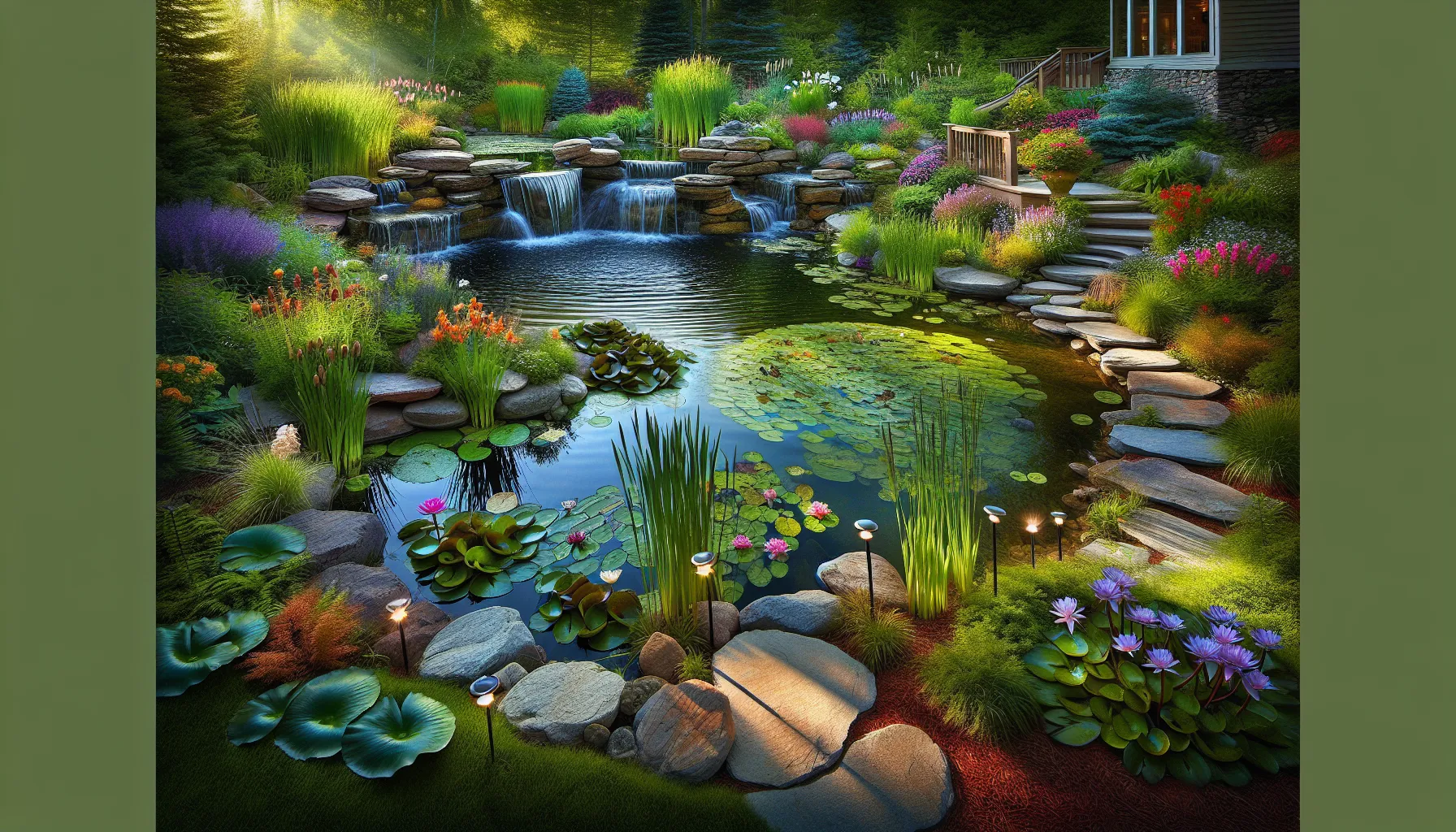
Pond Landscaping Ideas: Transform Your Backyard Oasis
Are you ready to turn your backyard into a tranquil paradise? Picture it now: a shimmering pond, surrounded by vibrant flora and calming water features. In this text, we’ll explore some jaw-dropping pond landscaping ideas that not only enhance your outdoor space but also create a serene sanctuary right at home. It’s time to roll up our sleeves and get our hands a little dirty while enjoying a splash of creativity.
Pond Landscaping Ideas
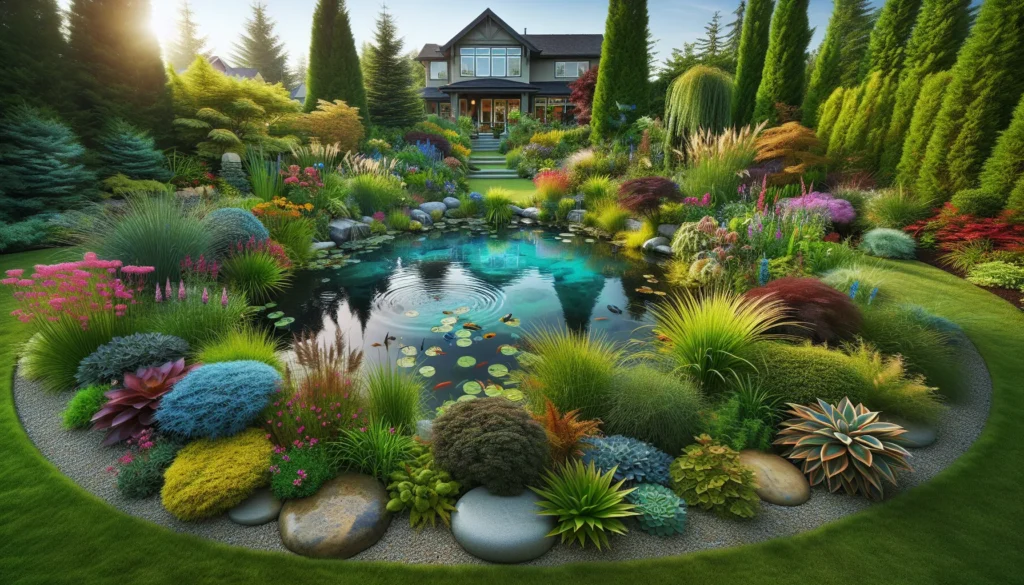
When we start planning our pond, the first step is choosing the right spot. This is crucial. Ideally, we want to find a level area that receives a good amount of sunlight, about six hours a day is perfect. Too much shade may lead to algae growth, which is the last thing we want in our watery haven.
Also, we should consider how our pond will fit into the overall landscape. Placing it near the house allows us to enjoy the view from inside. Also, make sure it’s accessible for maintenance but far enough from trees to avoid falling leaves. Let’s channel our inner geographers and scout out the best location before diving in.
Types of Ponds for Landscaping
Next, let’s jump into the world of pond types. We have two main contenders here: natural ponds and formal ponds.
A natural pond blends seamlessly with the environment. It has a free-flowing shape and looks as if Mother Nature carved it out herself. These ponds often feature wildflowers and native plants, making them a habitat for local wildlife.
On the flip side, a formal pond has defined edges, geometric shapes, and often looks like a stunning sculpture in our yard. If we prefer sleek lines and a more contemporary look, this may be our go-to choice. Eventually, the pond type should resonate with our personal style and the overall vibe of our outdoor space.
Incorporating Plants into Your Pond Design
Now onto the fun part, plant buddies. Adding plants to our pond design is essential for creating a balanced ecosystem. Water lilies, for example, not only look gorgeous but also provide shade and help control algae growth.
We can mix submerged plants like hornwort for oxygenation with floating plants like duckweed, which act like nature’s sunscreen for our aquatic friends below. And let’s not forget marginal plants, these are the ones we can plant around the pond’s edge. Iris and cattails can create beautiful borders and attract wildlife, turning our pond into a thriving sanctuary. What’s better than vibrant colors and the gentle rustle of leaves in the breeze?
Adding Water Features for Visual Appeal
What’s better than a simple pond? A pond with pizzazz. We should definitely think about incorporating water features like waterfalls or fountains. These add visual appeal and create soothing sounds that can make our outdoor space feel like an enchanting escape.
A waterfall cascading over rocks provides a natural aesthetic and can help oxygenate the water, Win-win. Meanwhile, a fountain can be a great centerpiece. No matter our choice, these features elevate the landscape and keep things interesting. Plus, they can be the perfect spot for some aquatic plants to flourish.
Lighting and Pathways Around Your Pond
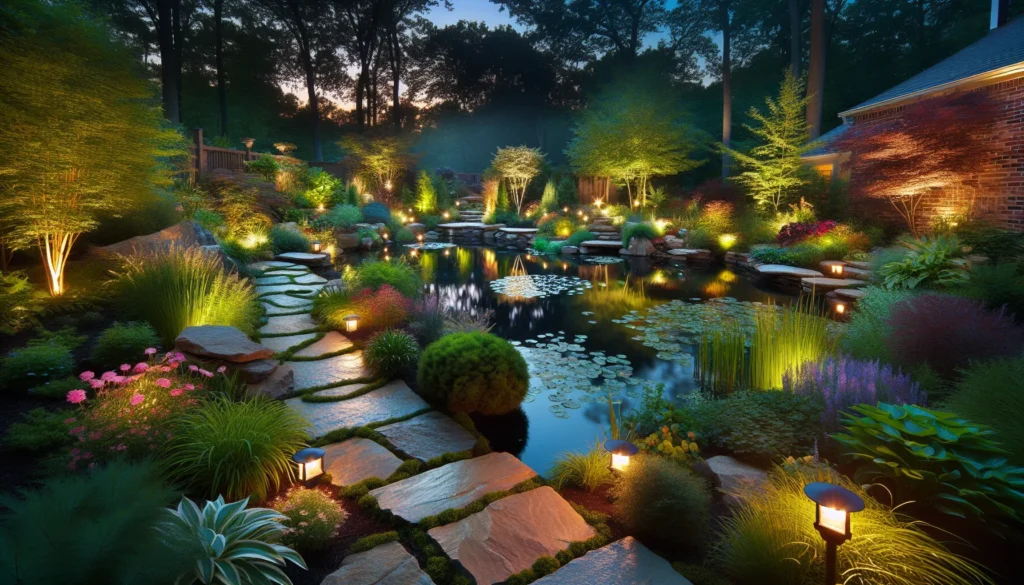
As the sun begins to set, our pond deserves attention too. Installing ambient lighting around our pond can create a magical atmosphere in the evening. We can choose from solar lights, lanterns, or even underwater LEDs to highlight the water’s movement. Who wouldn’t want a sparkling oasis after dark?
Pathways leading to our pond can add charm and make navigating our landscaping easier. Natural stone or rustic pavers enhance that ‘garden-grove’ feel. So let’s make sure our paths not only guide guests to tranquility but also offer them a visually captivating experience.
Maintenance Tips for a Healthy Pond Landscape
Now, we can’t forget about the maintenance aspect. Keeping our pond healthy is vital for its longevity and beauty. Regularly checking water levels and quality will save us from headaches in the long run.
We should also monitor our plants and fish. Removing dead plant material and excess algae will keep things fresh. A little regular upkeep will make our pond an easier and enjoyable place to experience. After all, who has time for disaster when we can have a flourishing ecosystem?