
The Best Fluffy Pancakes recipe you will fall in love with. Full of tips and tricks to help you make the best pancakes.
Backyard Landscaping Designs: Transform Your Outdoor Space Today
Looking to transform your backyard into a picturesque oasis? We’ve all seen those stunning outdoor spaces that feel like a vacation retreat right at home. But let’s be honest, diving into backyard landscaping can feel overwhelming. No worries. We’re here to guide you through each step, with laughs along the way. From identifying what works best for your space to choosing the right plants, we’ll help you create a landscape that not only looks fabulous but also suits our lifestyle. So grab your favorite outdoor beverage and let’s start designing.
Backyard Landscaping Designs
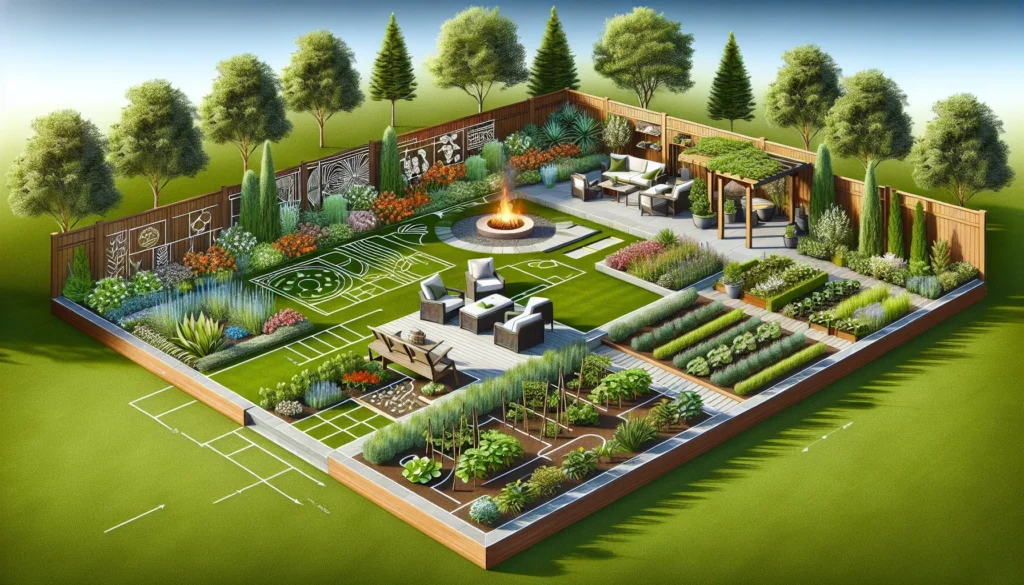
Before we jump into trends and designs, let’s take a moment to understand our space. Every backyard has its unique characteristics. We must assess the size, shape, and existing features like trees or fences. Do we have small kids running around or pets that need their space? Gathering needs is crucial for thoughtful design. One mistake we often see? Not considering how much sun or shade our area receives. Charting sun paths helps us choose the right plants later on. After all, plants need some quality time with the sun to thrive.
Let’s also talk about our wants vs. our needs. Are we looking for a veggie garden, a cozy fire pit, or perhaps a space for entertaining? Pinpointing our must-haves will steer the course of our design journey.
Popular Backyard Landscaping Themes
We all love a good theme, don’t we? Choosing a theme can unify our design, creating a cohesive look that feels curated rather than chaotic. Some popular themes include:
Essential Elements for Stunning Designs
Think of elements like pathways, seating areas, and lighting. Each piece plays a role in overall design harmony. A stone pathway guiding guests to a rustic seating area exudes charm. When choosing materials, let’s mix things up. Combining gravel, stone, and wood can add interest and texture to our design.
Incorporating Hardscaping Features
Hardscaping refers to the non-plant elements in landscaping. Never underestimate their power. Think patios, fences, and retaining walls. They define spaces, offer structure, and can even help with drainage. A well-placed patio could mean the difference between a cozy gathering spot and a sun-baked bench with no shade. Durable materials like pavers or treated wood not only look good but will stand the test of time, too.
Choosing the Right Plants
Let’s not forget our green friends. Selecting plants requires balancing beauty and practicality. Native plants often thrive best in our local environment, plus, they’re fantastic for attracting pollinators. A colorful flower garden can brighten up any space, while evergreen shrubs provide year-round structure. Mixing heights and colors keeps the eye moving through our landscape.
Creating Functional Zones
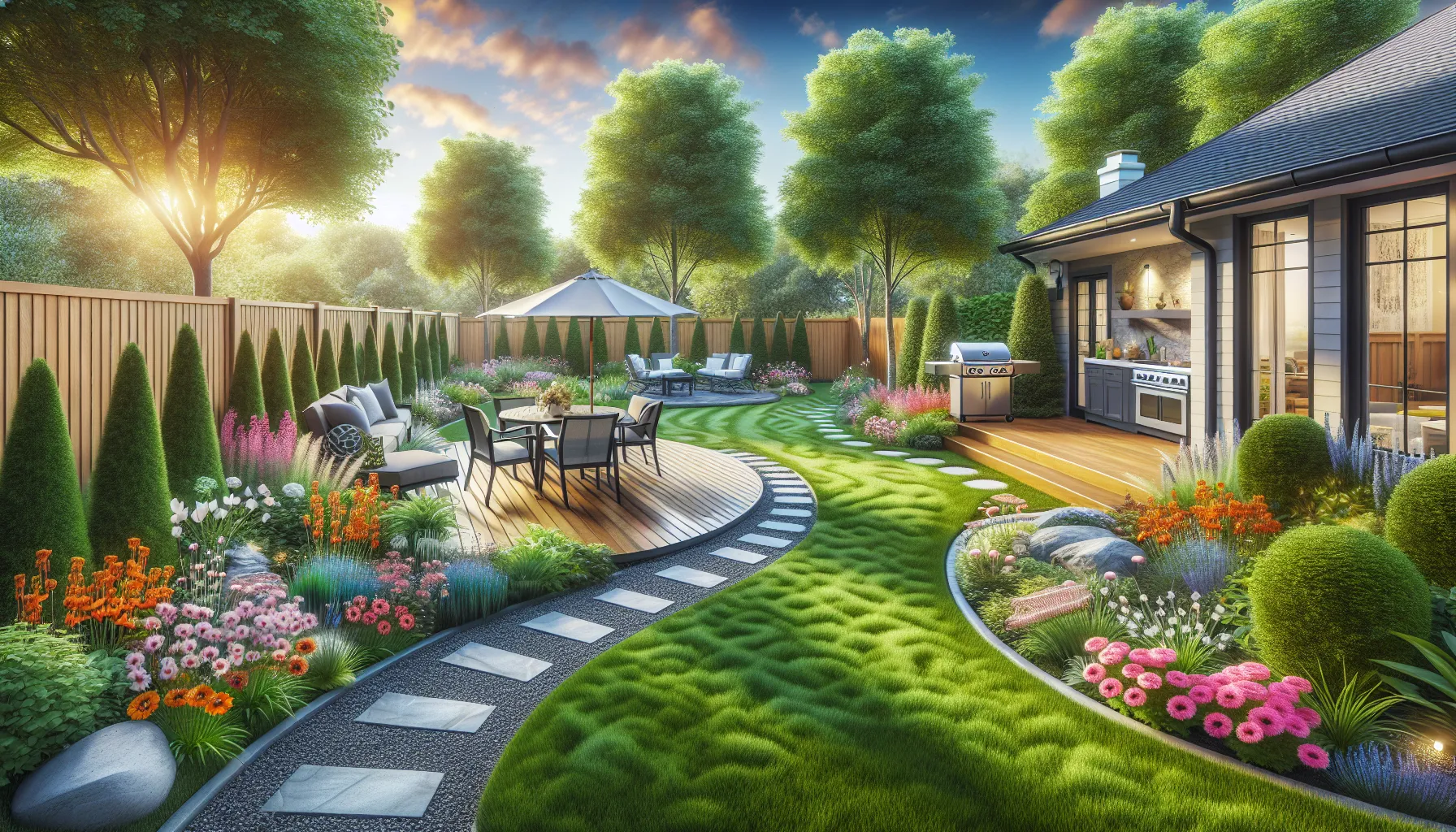
Who doesn’t love a good zone? Creating functional areas within our backyard can enhance our experiences. Imagine having clearly defined spots for cooking, relaxing, and playing. We might consider a deck or patio for gatherings, paired with a small kitchen setup featuring a grill and prep area. It’s amazing how such separate zones can serve the same yard.
But wait, don’t forget about pathways. They guide us through our backyard and connect different zones. This creates flow and a sense of adventure. Suddenly, going from the barbecue area to the garden becomes an exploration. It’s smart to think about joy and connection when dividing our landscaping. What can we add that enhances togetherness?
Tips for Sustainable Landscaping
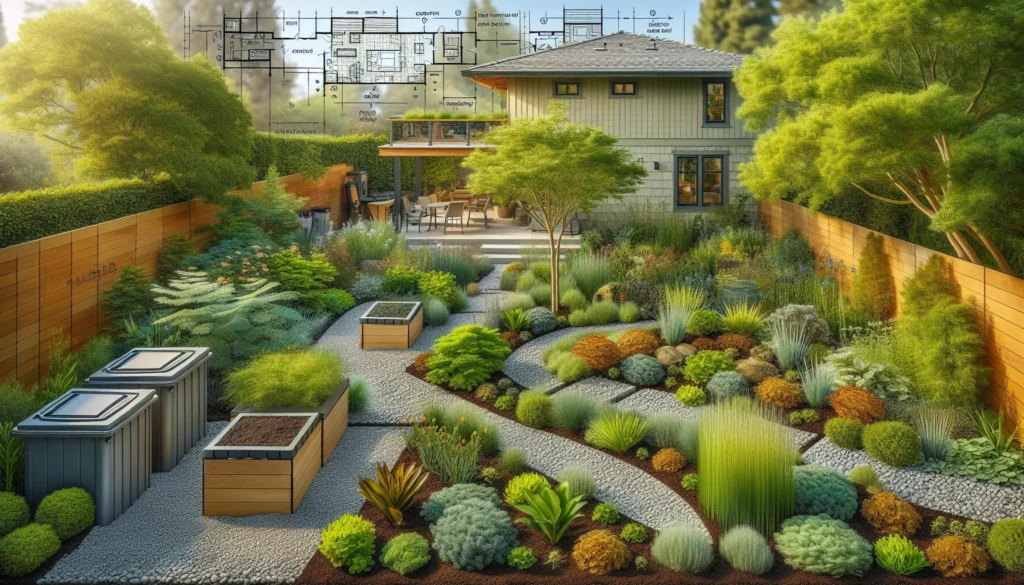
In today’s world, sustainability in landscaping is more than a trend, it’s a necessity. We have options. When designing our backyard, think longevity. Consider xeriscaping if our area often suffers from drought. This reduces water usage significantly and can create a stunning low-maintenance garden.
Rain gardens are another thoughtful idea. Planting in a way that collects rainwater can reduce runoff and provide a habitat for wildlife. We can also embrace composting for our garden waste. It adds nutrients back into the soil without needing chemical fertilizers. Those little actions can lead to a huge impact on our environment.